
































BLOG
ブログ
Getting a Kanji Tattoo in Osaka: What You Should Know First
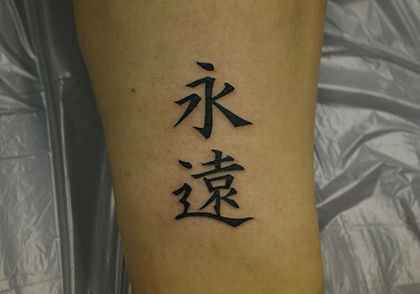
Kanji tattoos are popular overseas for several cultural and aesthetic reasons.
One of the biggest reasons is that kanji are seen as “meaningful symbols.”
For people from alphabet-based cultures, kanji don’t feel like ordinary letters but like mysterious characters where a single symbol carries deep meaning.
Characters such as “愛(love),” “力(strength),” “自由(freedom),” or “禅(zen)” can express a powerful message in just one character, which is very appealing.
Another appeal is the idea of “only I know the true meaning.”
Since most people around them can’t read kanji, tattoos can represent:
- a personal motto
- a life-changing experience
- a private message
It feels like carrying a personal story on your body.
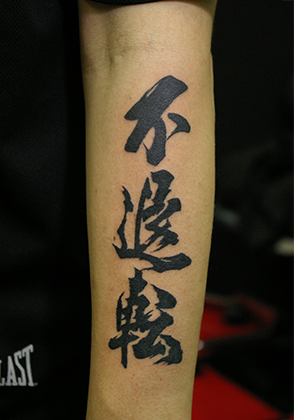
Of course, there’s a downside.
Mistakes happen a lot—wrong meanings, unnatural phrasing, or even random characters like menu items or odd word choices.
We LUCKY ROUND TATTOO in Osaka, collaborate with you to create the ideal kanji tattoo, providing expert advice to ensure it reflects your meaning and intention.
Popular Types of Kanji Fonts (Styles)
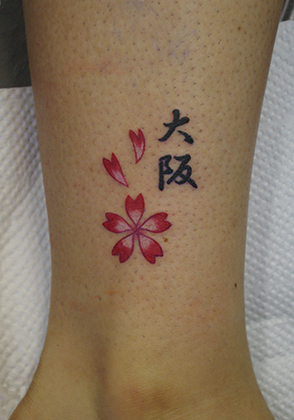
*** Calligraphy & Traditional Styles (Very Important for Tattoos) ***
-
1. 楷書体 Kaisho (Standard Script)
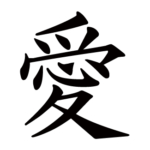
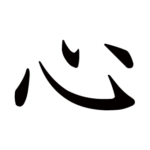
Clear, well-defined strokes
The “textbook” style taught in school
Formal, honest, safe choice
Best option for first-time kanji tattoos -
2. 行書体 Gyosho (Semi-cursive)
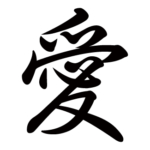
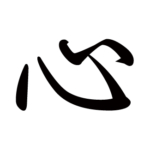
Slightly simplified and flowing compared to Kaisho
Keeps good readability
Elegant, mature, well-balanced
Extremely popular overseas for tattoos -
3. 草書体 Sosho (Cursive Script)
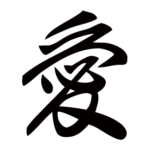
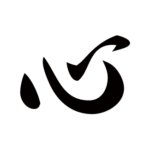
Highly simplified and connected strokes
Very difficult to read
Expressive, emotional, dynamic
Even many Japanese people can’t read it (advanced level)
Decorative & Special Styles -
4. 隷書体 Reisho (Clerical Script)
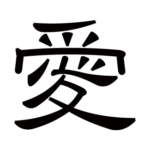
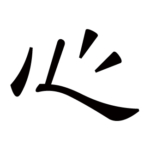
Wide, flat strokes with unique endings
Ancient, dignified, Chinese-classic feel
Used in seals and logos
A “connoisseur’s choice” for tattoos -
5. 勘亭流 Kanteiryu
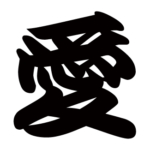
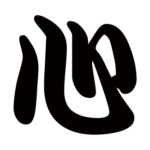
Bold, rounded style used in kabuki theater signs
Very Japanese, dramatic, powerful
Instantly recognizable as traditional Japanese design
*** Basic Printed Fonts ***
-
6. 明朝体 Mincho (Serif)
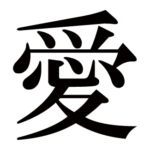
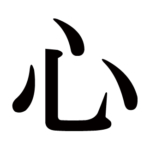
Thin horizontal strokes, thick vertical strokes
Small decorative “serifs” at the ends
Elegant, traditional, intellectual
Commonly used in books and newspapers
For tattoos, it gives a calm and formal impression -
7. ゴシック体 Gothic (Sans-serif)
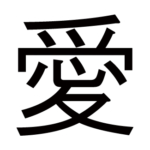
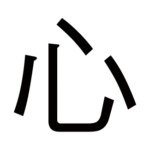
Uniform stroke width
Clean and simple
Strong, modern, easy to read
Often used for logos and signs
Popular for bold, minimalist tattoos -
8. 丸ゴシック体 Rounded Gothic
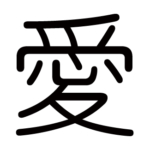
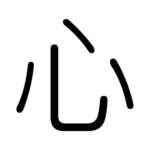
A softer version of Gothic with rounded corners
Friendly, casual, cute
Less common for tattoos, but approachable
Single-character KANJI
Single-kanji characters are especially popular because they feel strong, simple, and mysterious.
- 愛(Love)
- 力(Strength / Power)
- 運(Luck / Fate)
- 信(Faith / Trust)
- 心(Heart / Mind / Spirit)
- 魂(Soul)
- 夢(Dream)
- 禅(Zen)
- 道(The Way / Path)
- 忍(Endurance / Perseverance)
- 真(Truth)
- 和(Harmony / Peace)
- 命(Life / Destiny)
- 忠(Loyalty)
- 美(Beauty)
- 強(Strong)
- 光(Light)
- 闘(Fight / Struggle)
- 龍(Dragon)
- 虎(Tiger)
- 風(Wind)
- 火(Fire)
- 水(Water)
- 天(Heaven)
- 無(Nothingness / Emptiness)
Two-character KANJI phrases
Two-character kanji are often considered safer to choose overseas than single kanji because their meaning is clearer and more explicit.
- 愛情(Love / Affection)
- 自由(Freedom)
- 平和(Peace)
- 勇気(Courage)
- 希望(Hope)
- 家族(Family)
- 信念(Belief / Conviction)
- 忍耐(Patience / Endurance)
- 不屈(Indomitable)
- 友情(Friendship)
- 幸福(Happiness)
- 真実(Truth)
- 運命(Fate / Destiny)
- 永遠(Eternity)
- 情熱(Passion)
- 覚悟(Resolve)
- 無心(No-mindedness / Zen state)
- 精神(Spirit / Mind)
- 武士(Samurai / Warrior)
- 龍虎(Dragon & Tiger)
- 風神(God of Wind)
- 火炎(Flame / Blaze)
- 流水(Flowing water)
- 陰陽(Yin and Yang)
- 無限(Infinity)
- 真心(True heart / Sincerity)
- 大和(Japan / Harmony)
four-character KANJI idiom
Yojijukugo are short, four-kanji phrases in Japanese that carry a meaningful message, like a proverb or life lesson.
- 一期一会(Once-in-a-lifetime encounter)
- 七転八起(Fall seven times, rise eight)
- 不撓不屈(Indomitable spirit)
- 温故知新(Learn from the past)
- 因果応報(Karma / What goes around comes around)
- 自業自得(You reap what you sow)
- 明鏡止水(Clear and calm mind)
- 百花繚乱(Blooming brilliance)
- 森羅万象(All of creation)
- 電光石火(Lightning fast)
- 一意専心(Single-minded devotion)
- 無我夢中(Lose oneself completely)
- 切磋琢磨(Mutual improvement)
- 不言実行(Actions over words)
- 以心伝心(Unspoken understanding)
- 順風満帆(Smooth sailing)
- 堅忍不抜(Unyielding perseverance)
- 粉骨砕身(Total dedication)
- 一騎当千(Matchless strength)
- 花鳥風月(Beauty of nature)
- 風林火山(Speed, silence, ferocity, immovability)
- 臥薪嘗胆(Endure hardship for success)
- 万里一空(Boundless focus / Zen mindset)
- 泰然自若(Calm and composed)
- 虚心坦懐(Open and honest mind)
We believe that the most common mistakes in kanji tattoos come from relying on online translation tools.
Because of misunderstandings in meaning or incorrect combinations of characters, there are many kanji tattoos that look very strange or unnatural to native Japanese speakers.
When someone wants to arrange several kanji they like, it is important to be careful.
Without proper spacing or separators such as dots, multiple characters can easily be read as a single word or compound, which may result in an unintended meaning.
For example, if someone chooses the two kanji 強 (strong) and 心 (heart) to express the idea of “a strong mind” and gets them tattooed together, the meaning can change.
When these characters are combined as 強心, they are commonly associated with medical terms such as 強心剤, which refers to drugs that strengthen the heart.
Another common mistake is having kanji tattooed upside down or mirrored left to right.
These kinds of mistakes can be avoided when the tattoo is done by a Japanese artist.
Why Get a Kanji Tattoo in Osaka?
Our artist has a deep understanding of the culture and philosophy behind kanji.
Get Your Ideal Kanji Tattoo at LUCKY ROUND TATTOO in Osaka.
If you’re not sure, feel free to ask us!